
Give an AI chatbot your dates, budget, and a vague request for “somewhere warm with good food,” and it can hand back a five-day itinerary in seconds.
It may even look ready to book.
That’s the dangerous part.
AI is genuinely useful for trip planning. It’s just better at building the skeleton than checking whether every bone is still where it belongs.
The three things I’d verify before paying for anything
1. Prices, availability, and booking rules
Flights change. Hotel rates change. Popular time slots disappear.
Any exact price an AI gives you should be treated as a starting point until you open the airline, hotel, or ticketing site yourself.
Same goes for cancellation rules.
A beautiful itinerary is still useless if the 10:30 museum slot sold out yesterday.
2. Opening hours and travel time
This is where polished AI plans can get a little too optimistic.
Two attractions may both be excellent and still make no sense on the same afternoon if they’re an hour apart. A restaurant may be closed on Tuesdays. A museum may have seasonal hours.
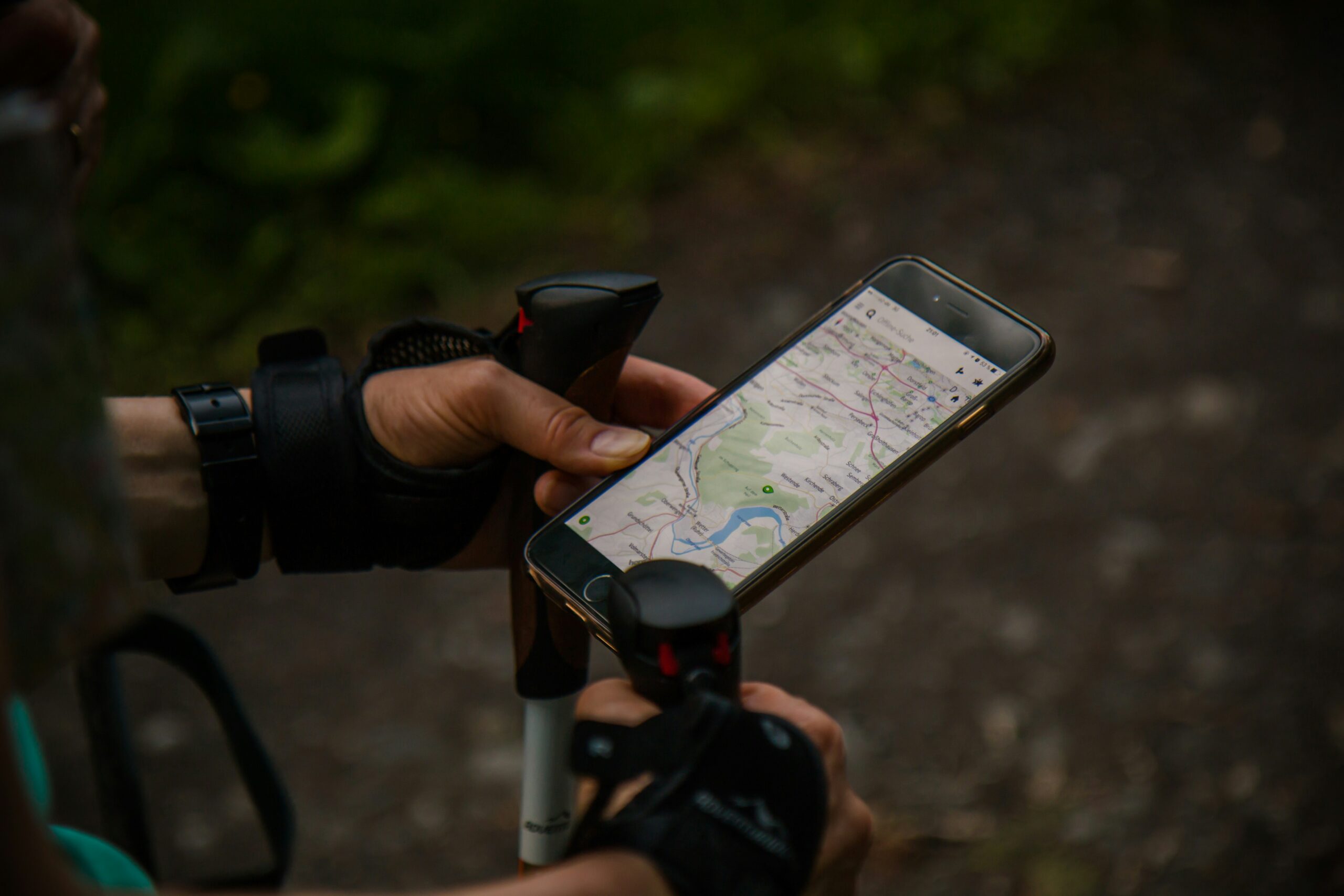
I’d check the day on an actual map before trusting the sequence.
If the route looks annoying on a map, it will be even more annoying with luggage.
3. Entry, health, and safety requirements
This is the part I would never leave to a chatbot alone.
Visa and entry rules can depend on nationality, passport validity, trip purpose, and length of stay. Health requirements and safety advisories can change too.
Use the AI to tell you what questions to check.
Use government, embassy, immigration, or other official sources for the final answer.
What AI is actually very good at
The fun part.
AI is excellent for:
- narrowing a destination list
- turning preferences into a rough itinerary
- suggesting neighborhoods or categories of places
- reorganizing a day when you change your mind
- building a plan around pace, interests, and budget
It’s especially helpful if you hate staring at 18 browser tabs trying to turn random ideas into a schedule.
That’s a real problem AI solves well.
A prompt that gives you a better first draft
I have 6 days off in early October and will depart from [your city].

My preferences:
- Warm daytime weather, ideally above 70°F
- Walkable neighborhoods with good food
- No more than one flight connection
- About $150/day for two people for food, local transportation, and activities
- A relaxed pace, no more than two major activities per day

Suggest 3 destinations.

For each one:
1. Explain why it fits.
2. Flag anything seasonal or likely to change.
3. Don't invent exact prices, schedules, or availability.
4. Tell me which official sources I should check for entry rules and transportation.

Wait until I choose a destination before building the day-by-day plan.
That last part helps.
I’d rather get three decent options first than a seven-day masterpiece for a place I don’t even want to visit.
AI plans. Official sources confirm.
That’s the whole system. Use AI for the messy, time-consuming part: ideas, structure, trade-offs. Use live sources for the details that can wreck a trip if they’re wrong.
Much less glamorous than “AI planned my entire vacation.” Much more useful.
Related Reading
How to Fact-Check Anything an AI Chatbot Tells You
AI Tools for Beginners: The Complete Guide to Getting Started
Sources & Last Updated
Last updated: August 2026.