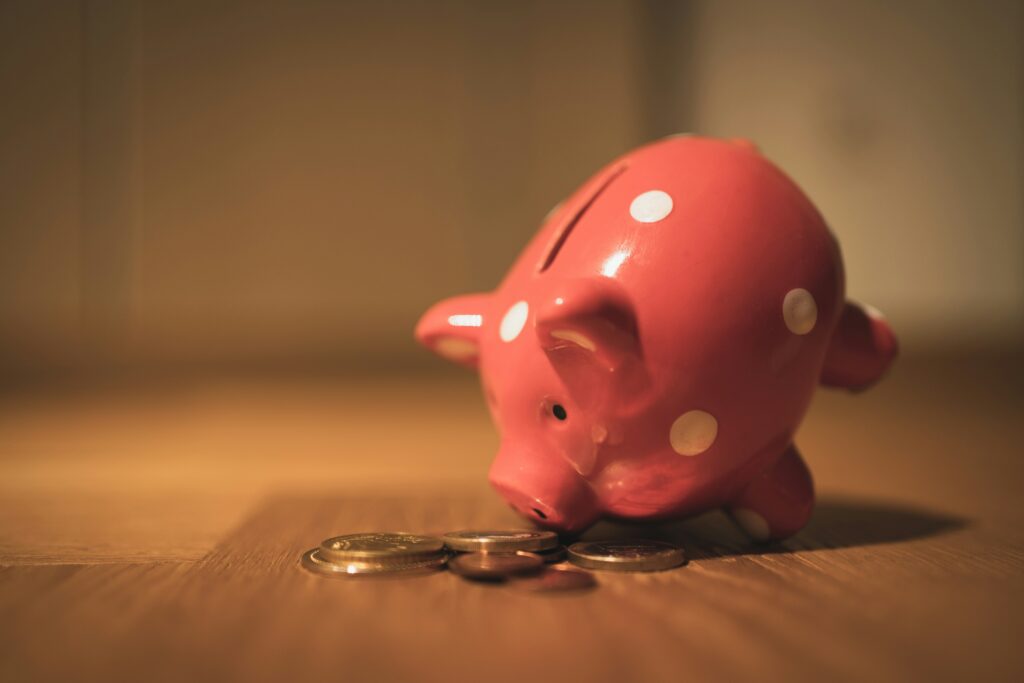
A surprise car repair or a smaller-than-expected paycheck can turn into weeks of stress if you don’t have anything set aside. An emergency fund isn’t exciting, and it won’t make you rich. But it’s the one piece of personal finance that determines whether a bad month stays a bad month — or becomes a bad year.
Short Answer
A practical first milestone may be $500–$1,000, one insurance deductible, or one week of essential expenses — choose an amount tied to the emergencies you’re most likely to face. From there, many people work toward 3–6 months of essential expenses as a longer-term cushion (closer to 6 months if you’re a single-income household or your job is less stable). A separate savings account — distinct from your everyday checking — is a common choice — where it’s safe, accessible within a day or two, and actually earning some interest instead of sitting idle.
Who This Guide Is For
This is for anyone who’s never had real savings set aside, or who has some money saved but isn’t sure if it’s enough, or where it should even be sitting.
What an Emergency Fund Is (and Isn’t) For
Here’s the thing: an emergency fund is specifically for unplanned, unavoidable expenses — a job loss, a medical bill, an urgent car or home repair. It is not for a vacation, a predictable annual expense like car insurance, or a big purchase you’re excited about. Those deserve their own separate “sinking fund” savings goals — mixing them into your emergency fund makes it hard to know how protected you actually are.
How Much You Actually Need
The often-repeated “3 to 6 months of expenses” rule is a reasonable starting frame, but the right number depends on your situation:
- More stable, dual-income household: closer to 3 months of essential expenses is often reasonable, though this leans more toward the higher end if both incomes come from the same employer or industry, since that risk is correlated rather than independent.
- Single-income household, freelance, or less stable income: closer to 6 months (some guidance goes even higher) provides more breathing room.
- Just starting out with nothing saved: don’t aim for 6 months on day one. A $500–$1,000 starter fund first prevents a single surprise expense from landing back on a credit card while you build toward the bigger goal.
“Essential expenses” means housing, utilities, food, insurance, transportation, and minimum debt payments — not your full discretionary spending.
Table: Where to Keep an Emergency Fund
| Option | Liquidity | Notes |
|---|---|---|
| High-yield savings account (HYSA) | Very high (1–2 business days) | Common default choice; rates vary by bank and change over time — compare current rates before choosing one |
| Money market account | High | Similar to HYSA, sometimes with check-writing or debit card access |
| Certificate of deposit (CD) | Lower | May offer a fixed rate, but early withdrawal penalties make it less ideal for a full emergency fund |
| Regular checking account | Highest | Useful for a small first layer, but typically earns little to no interest |
| Stock market investments | Variable, can lose value short-term | Generally not recommended for true emergency funds — you don’t want your safety net to depend on market timing |
Step-by-Step: Building Your Emergency Fund
- Calculate your essential monthly expenses. Add up housing, utilities, food, insurance, transportation, and minimum debt payments — not your entire budget.
- Pick your target multiplier. 3 months if your income and job feel stable, closer to 6 if they don’t.
- Open a separate high-yield savings account, distinct from the account you spend from day to day — separation reduces the temptation to dip into it.
- Start with automatic transfers you can sustain. Even a small, consistent weekly transfer beats an ambitious one-time deposit you can’t repeat.
- Build the starter fund ($500–$1,000) first, then keep going toward your full target.
- Review the account periodically — not just for yield, but for fees, transfer speed, withdrawal limits, and deposit-insurance coverage (FDIC for banks, NCUA for credit unions).
A Closer Look
Say someone’s essential monthly expenses (rent, utilities, food, insurance, transportation, minimum debt payments) add up to $2,200. A 3-month target would be $6,600; a 6-month target would be $13,200. If their income feels stable and predictable, they might aim for the $6,600 figure first, then keep building toward $13,200 over time — starting, as with any emergency fund, with the $500–$1,000 milestone rather than trying to save the full amount at once.

Cautions and Limitations
Interest rates on savings accounts change frequently and vary significantly by bank — any specific percentage you read (including in other articles) may already be outdated by the time you read it. Compare current rates directly on bank websites or comparison tools rather than relying on a fixed number. An emergency fund is meant to be boring and safe; keeping it in investments that can lose value in the short term defeats its purpose, even if the potential returns look appealing. This article is general education, not personalized financial advice — for a full financial plan tailored to your income stability and household situation, consider talking to a qualified financial professional.
FAQ
Is $1,000 really enough to start? It can be a useful first milestone, but whether it’s enough depends on your likely emergencies, deductibles, transportation needs, and household responsibilities — its job is to absorb small surprises so you’re not reaching for a credit card, not to cover a job loss. The bigger 3–6 month goal comes after that.
Should I invest my emergency fund to get better returns? Generally, no. Investments can lose value in the short term, which defeats the purpose of a fund meant to be there exactly when you need it, regardless of market conditions.
What counts as “essential expenses” for calculating the target? Housing, utilities, food, insurance, transportation, and minimum debt payments — not entertainment, dining out, or other discretionary spending.
Can I count my checking account balance as part of my emergency fund? A small buffer in checking is fine as a first layer, but most guidance suggests moving the bulk of the fund into a separate high-yield account, both for better interest and to reduce the temptation to spend it.
Quick Checklist to Get Started
- [ ] Calculated essential monthly expenses (not full budget)
- [ ] Picked a target multiplier (3–6 months) based on income stability
- [ ] Opened a separate high-yield savings account
- [ ] Set up an automatic, sustainable recurring transfer
- [ ] Built the $500–$1,000 starter fund as a first milestone
Related Reading
New to personal finance basics overall? Start with our full guide: Personal Finance Basics: The Complete Beginner’s Guide to Managing Your Money
Once your emergency fund is in place, ready to start growing your money? See: How to Start Investing with Very Little Money
Want to get your budget in place first? See: How to Build a Budget You’ll Actually Stick To
Sources & Last Updated
This article was last updated in July 2026. General guidance referenced from the Consumer Financial Protection Bureau’s guide to building an emergency fund and general reporting on savings account rates. Specific interest rates change frequently — check current rates directly with individual banks or credit unions rather than relying on any single published figure. This article is for general educational purposes and isn’t personalized financial advice.