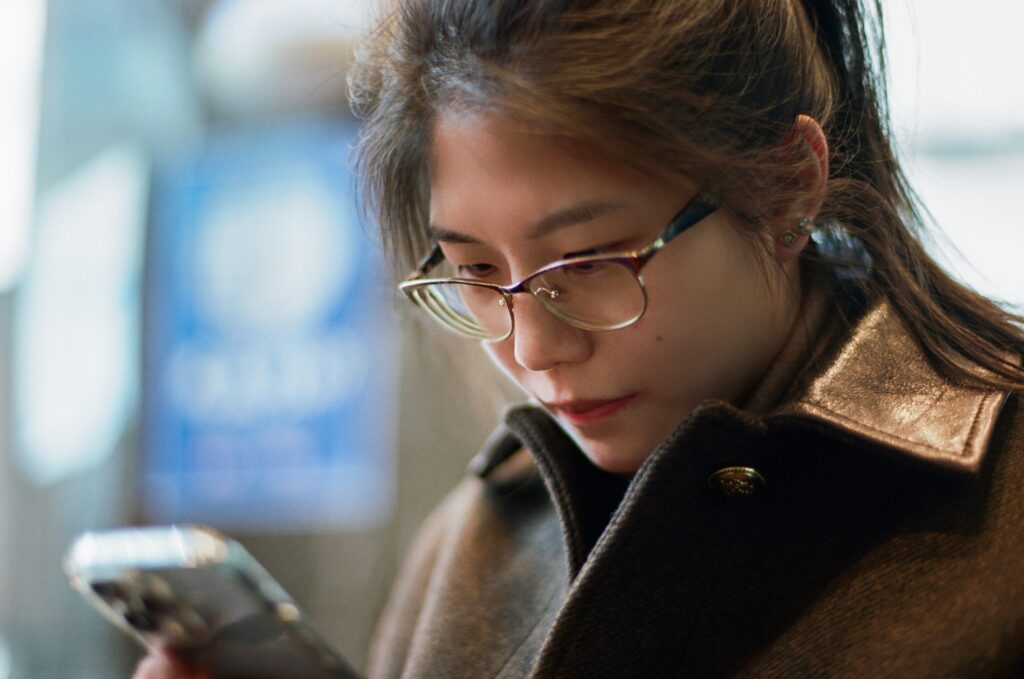
You’re looking at a marketplace listing, a dating profile, or a “lost dog, please help” post and something about the photo feels off.
Too polished. Too perfect. Maybe the hand looks strange. Maybe the sign in the background almost says something.
That hesitation is useful.
Just don’t turn it into a courtroom verdict.
A convincing AI image can look completely normal now, so visual clues are best treated as reasons to check the source — not proof by themselves.
1. Anatomy that doesn’t quite connect
Hands still get most of the attention, but I’d look more broadly.
Teeth. Ears. Hairlines. Joints.
Anything that seems to merge into a nearby object or change shape halfway through is worth a closer look.
Counting fingers alone is no longer much of a strategy.
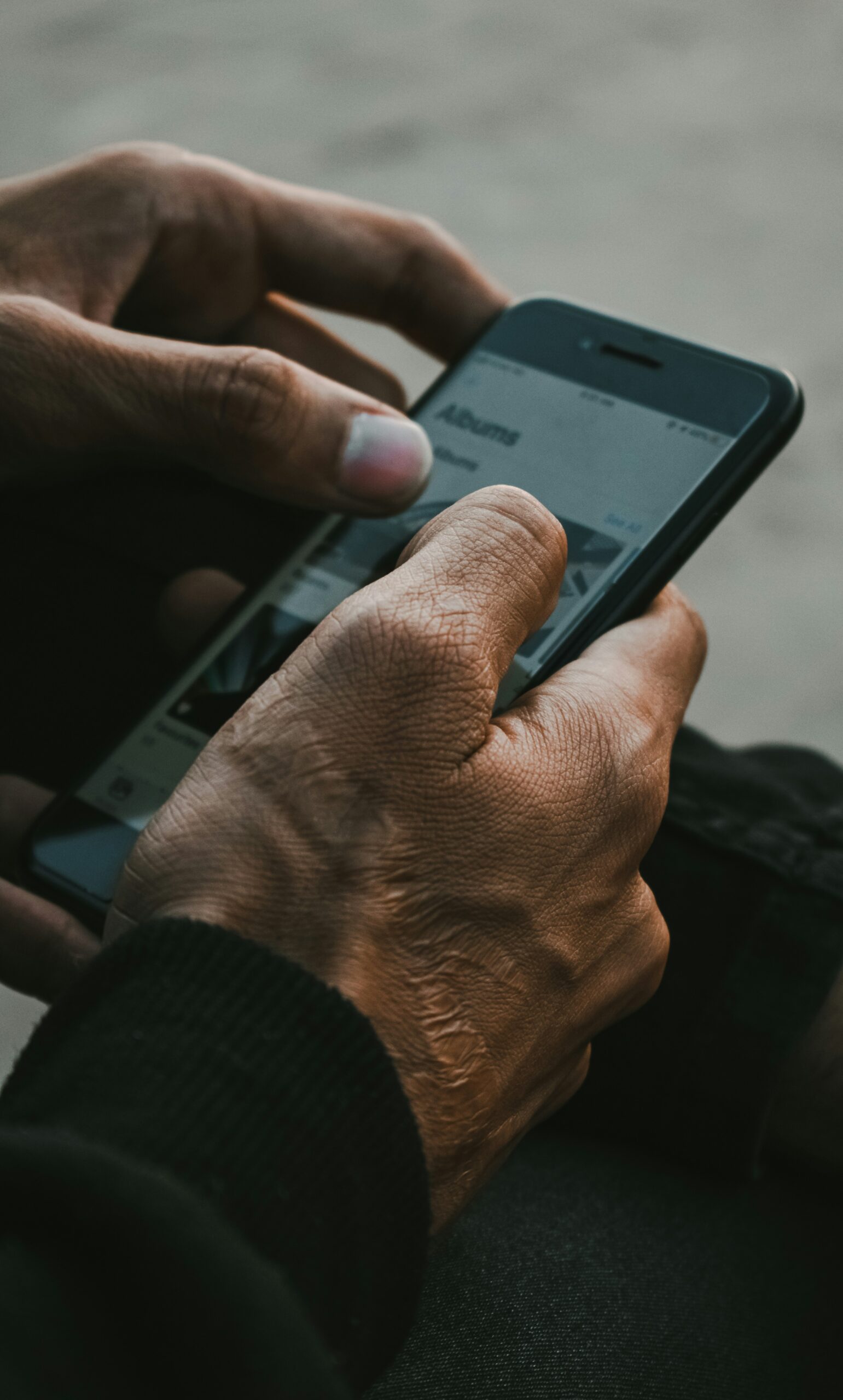
2. Texture changes for no reason
One patch of hair looks detailed. The skin next to it looks waxy. Fabric changes texture halfway down a sleeve.
AI images can still struggle with consistent fine detail.
Real photos can look weird too, especially after compression or heavy editing, so this is only one clue.
3. Text or logos that almost work
AI text has improved. It’s also still very good at producing words that look right for half a second. Look for letters that change shape inside the same word, warped logos, or signs that become nonsense when you actually read them.
Blurry text alone proves nothing. Real cameras are perfectly capable of taking bad photos.
4. Repeated people, leaves, tiles, or background objects
Crowds and repetitive backgrounds sometimes reveal strange cloning.
The same face. The same leaf cluster. The same brick pattern.
Again, one repeated shape isn’t proof.
But several unnatural repetitions deserve attention.
5. Reflections and lighting that disagree
Check mirrors, windows, eyeglasses, and shiny surfaces. Do the reflections make sense? Do highlights appear to come from the same light source? AI can create a beautiful face and then forget that the sunglasses are supposed to reflect the room.
6. Small objects that melt into each other
Glasses frames vanish at the temple. An earring doesn’t connect to the ear. A necklace becomes part of a shirt.
A cup handle quietly joins a finger. The smaller the detail, the more useful it can be to zoom in.
7. You can’t verify where the image came from
This one matters more than all the others.
Try a reverse-image search. Look for the original uploader. Check whether the same image appears with a completely different story.
Finding nothing does not prove the image is AI-generated.
A real photo taken five minutes ago may not exist anywhere else online.
It simply means you still don’t know where it came from.
Content Credentials can help — when they’re there
Some images now carry Content Credentials based on the C2PA standard, which can record information about how an image was created or edited. If a platform shows that provenance information, it can be useful. If it doesn’t, don’t jump to conclusions. Plenty of legitimate images still have no such credentials.
What I’d do if money or trust is involved
Suppose someone is selling a puppy and the photo looks suspicious. I wouldn’t try to “prove” it’s AI from the paws. I’d ask for a fresh photo with today’s date visible, request a live video call, and refuse to send a deposit before verifying the seller.
That’s the bigger lesson here. The image is a clue. The story is what you need to verify.
Related Reading
How to Tell If That “Emergency” Call From Your Kid Is Really AI
Is It Safe to Share Personal Information with ChatGPT?
Sources & Last Updated
- NIST GenAI Evaluation Program
- C2PA specification
- Northwestern University / Kellogg Insight research on AI-image artifacts
- Malwarebytes Labs reporting on AI-generated image scams
Last updated: August 2026.