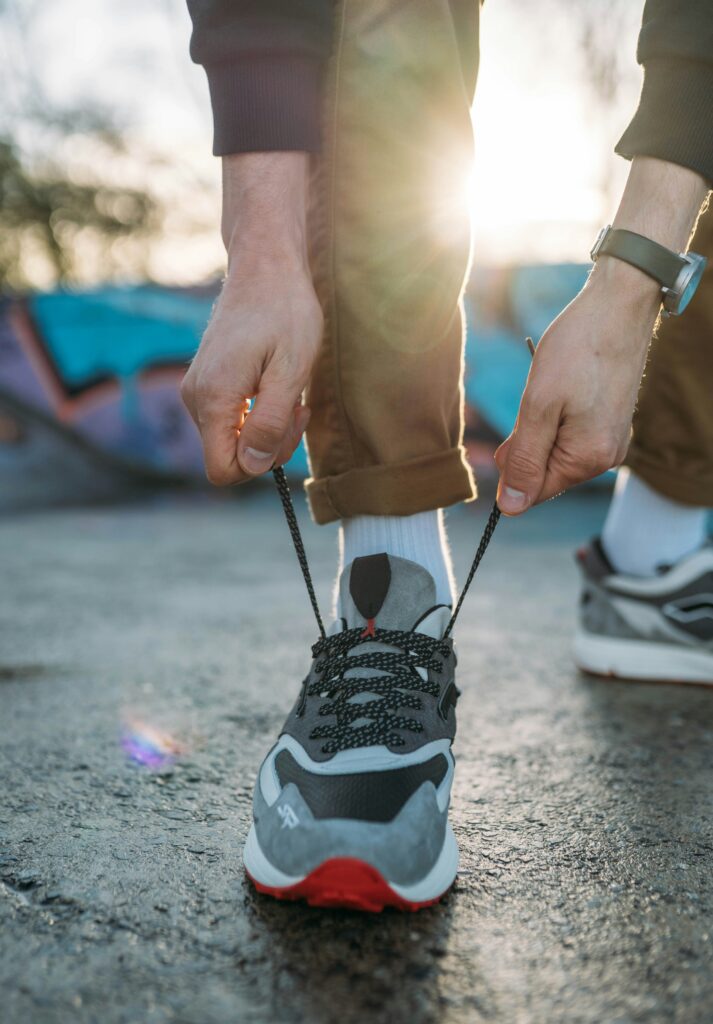
Person tying running shoe laces outdoors in the morning

Building Healthy Habits That Actually Stick: A Beginner’s Guide to Everyday Wellness

You’ve started a new health habit before — more water, more movement, better sleep — and it lasted about two weeks. This isn’t about willpower. Most health habits fail because they’re built around motivation, which is unreliable, instead of small, repeatable systems that work even on low-motivation days.

Short Answer

Habits that actually stick generally start smaller than feels necessary, attach to something you already do consistently, and focus on one change at a time rather than a full lifestyle overhaul. Consistency over weeks matters far more than intensity on any single day. Research on habit formation (Lally et al., 2010) found that turning a new behavior into something that feels automatic can take anywhere from a few weeks to several months, depending on the habit and the person.

Who This Guide Is For

This is for anyone who’s tried to build a healthier routine — more sleep, more movement, better eating, less stress — made progress for a couple of weeks, and then quietly stopped. This guide covers general lifestyle habits, not medical treatment.

Why Most Health Habits Don’t Stick

Here’s the thing: most new health habits fail not because the person lacked discipline, but because the habit was too big, too vague, or too disconnected from daily life to survive a busy or low-energy week. A habit that only works on a good day isn’t really a habit yet — it’s a hope.

Habits that last often share a few traits: they’re manageable enough to do even when motivation is low, they’re attached to an existing routine (an “anchor”), and they’re tracked in some simple way so progress is visible.

Table: Common Wellness Habits and Realistic Starting Points

Habit Area Ambitious Starting Point More Realistic Starting Point
Sleep A perfect 8-hour schedule every night A consistent wake-up time, 5 days a week
Daily Movement An hour at the gym daily A 10-minute walk after lunch
Eating A completely overhauled diet Adding one vegetable to one meal a day
Stress management Daily hour-long meditation A 2-minute breathing pause before a stressful task
Hydration Tracking every ounce precisely Keeping a water bottle visibly on your desk

Step-by-Step: Building a Habit That Survives a Busy Week

  1. Pick one habit, not five. Trying to overhaul sleep, food, exercise, and stress all at once is more likely to overwhelm and stall out than picking one area first.
  2. Shrink it until it feels almost too easy. A habit you can do even on your worst day (a 5-minute walk, one glass of water before coffee) builds consistency faster than an ambitious version you’ll skip when tired.
  3. Attach it to something you already do. Pairing a new habit with an existing routine — after brushing your teeth, before checking your phone — gives it a natural trigger.
  4. Track it simply. A basic checkmark on a calendar or a habit-tracking app provides visible progress, which generally supports motivation more than relying on how you feel that day.
  5. Expect to miss days. Missing one day doesn’t undo progress — the habits that last are the ones that get picked back up quickly after a miss, not the ones that were never broken.

Example Prompt (if using an AI tool to plan a new habit)

I want to build the habit of [specific habit], but I've tried and 
stopped before. Help me shrink this into the most manageable 
version I could do even on a busy or low-energy day, and suggest 
an existing daily routine I could attach it to.

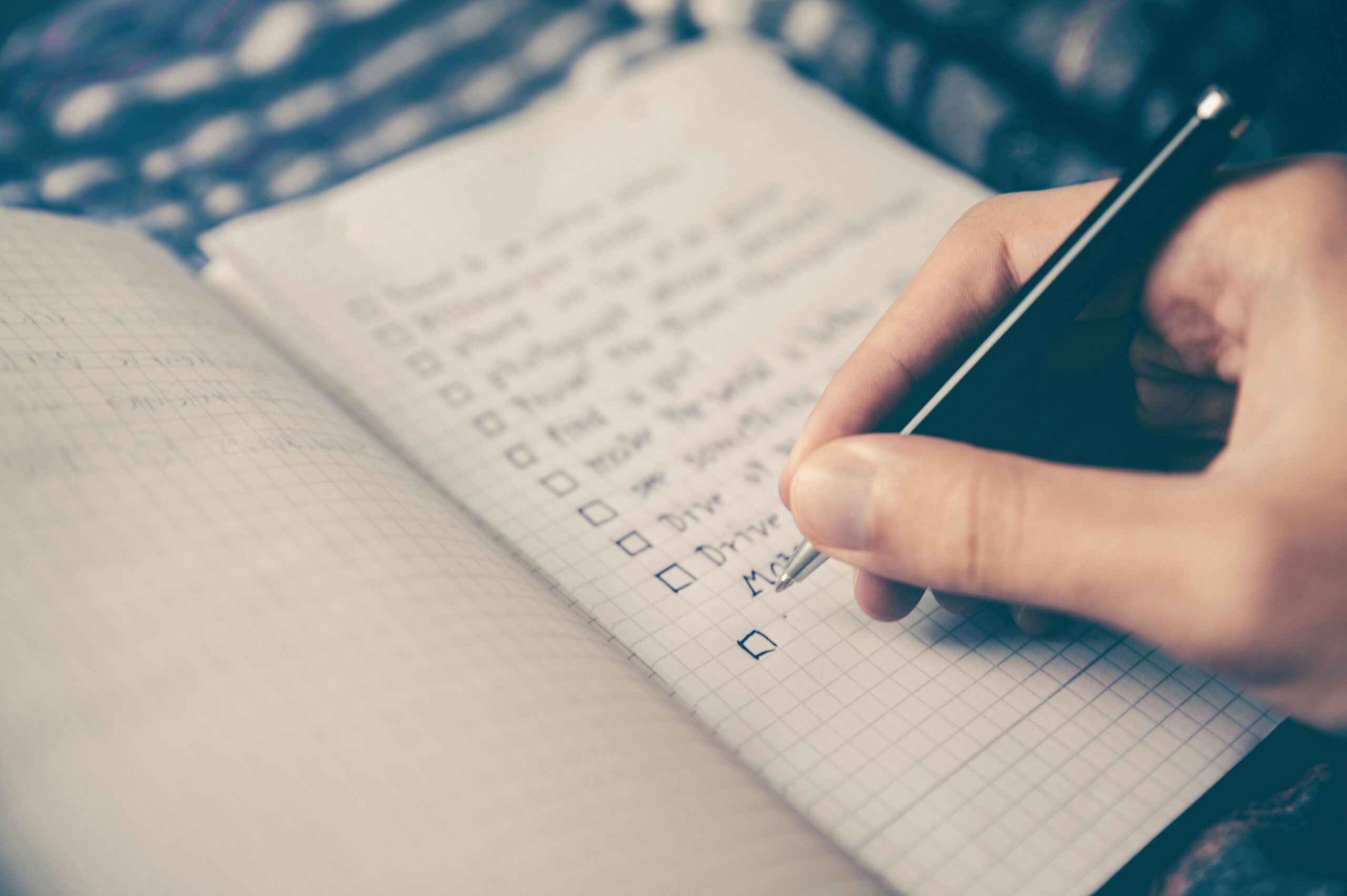
Hand writing a checklist in a notebook

A Closer Look

Say someone wants to start exercising regularly but has failed at gym memberships multiple times. Instead of committing to an hour-long daily workout, they start with a 10-minute walk right after their existing lunch routine — something they already do every day. Over time, they add a second short walk. The habit survives busy weeks because it never depended on having extra time or motivation in the first place.

Cautions and Limitations

This article covers general lifestyle habits for adults without diagnosed health conditions that would require individualized guidance. If you have an existing health condition, are pregnant, or are taking medication, changes to diet, exercise, or sleep patterns are worth discussing with a healthcare provider first. This article is general education, not personalized medical advice, and isn’t a substitute for care from a qualified healthcare professional.

FAQ

How long does it take for a new habit to feel automatic?
Many people notice habits becoming easier over time, though the timeline varies considerably — research on habit formation (Lally et al., 2010) found a range from about three weeks to several months depending on the habit and the person. Consistency matters more than hitting any specific timeline.

What if I miss several days in a row?
Restarting with the smallest version of the habit, instead of trying to “catch up” or jump back to an ambitious version, tends to rebuild consistency more reliably.

Should I try to change multiple habits at once?
Generally, focusing on one habit at a time works better than several simultaneous changes, especially early on — once one habit feels automatic, it’s easier to add another.

Is it normal for progress to feel slow at first?
Yes — modest, consistent habits often feel like they’re not doing much in the first few weeks, with the cumulative effect becoming more noticeable over a longer stretch of time.

What should I do if I lose motivation completely?
This is normal and expected — motivation naturally comes and goes. Rather than waiting for it to return, shrinking the habit back down to its smallest version and leaning on the existing routine it’s attached to can keep it going until motivation shows up again on its own.

Quick Checklist to Get Started

  • [ ] Chose one habit area to focus on first
  • [ ] Shrunk the habit to a version doable on a low-energy day
  • [ ] Attached it to an existing daily routine
  • [ ] Set up a simple way to track progress
  • [ ] Planned for occasional missed days without abandoning the habit

Related Reading

Sources & Last Updated

This article was last updated in August 2026. General guidance referenced from publicly available health and behavioral science resources, including CDC – Healthy Living, CDC – Preventing Chronic Disease, and NIH resources on healthy lifestyle habits, alongside published behavioral science research on habit formation (Lally et al., 2010). This article is for general educational purposes and isn’t a substitute for professional medical advice.

Leave a Comment

Your email address will not be published. Required fields are marked *

Scroll to Top