
Exercise has a branding problem. It sounds like an hour. A gym.
Special clothes. A plan.
A version of you who apparently wakes up excited to do burpees. Movement can be much smaller than that.
Five minutes is allowed
Walk around the block. Climb the stairs. Do a few bodyweight movements.
Stretch while something is cooking. Five minutes isn’t fake exercise.
It’s five minutes of movement you actually did. That’s more useful than the 60-minute workout you planned and skipped.
Attach it to something already in your day
After lunch. After dinner. Before the shower.
During a phone call. The less scheduling the habit needs, the easier it is to repeat.
A 10-minute walk after dinner is often more sustainable than “go to the gym sometime.” “Sometime” has an excellent record of never arriving.
Pick movement you don’t hate
You don’t get extra credit for choosing the form of exercise you dread most. Walking counts. Cycling counts.
Dancing counts. Home workouts count.
Gardening can involve a lot more movement than people give it credit for. Choose something you’re willing to repeat.
Remove the first excuse
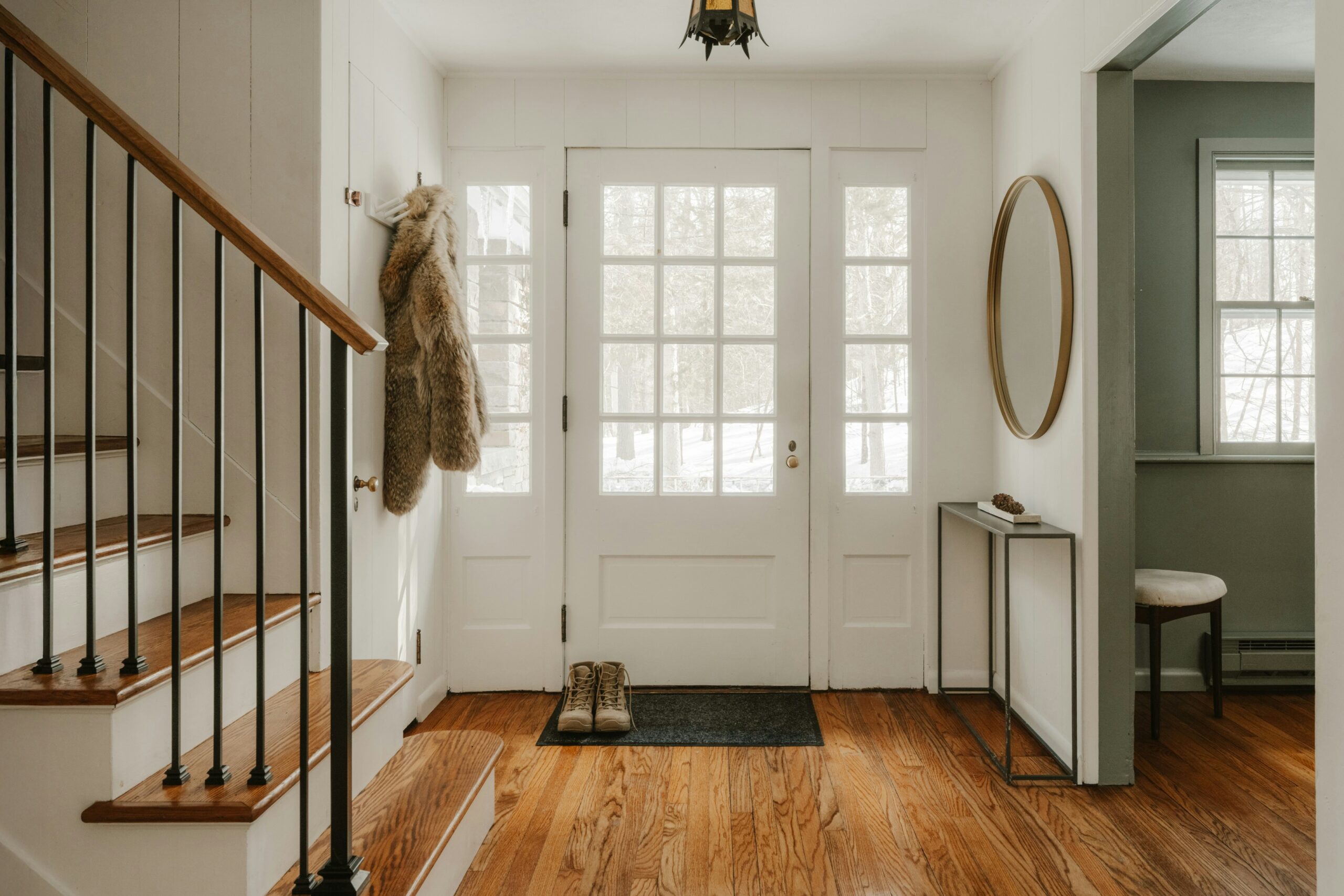
Shoes by the door. Route already decided. Workout video bookmarked.
Clothes ready. You’re not eliminating every possible barrier.
Just the first one. That’s often enough to get started.
Let the short version count on bad days
Some days, the plan is 20 minutes. You have five. Do five. Don’t turn that into:
Well, if I can’t do it properly, there’s no point.
That sentence has killed a lot of perfectly good habits.
Motivation is unreliable
Sometimes motivation comes first. Often it shows up after you have been moving for a few minutes. So the plan should work even when motivation is absent. That’s why the first step needs to be small.
Make starting easier than skipping
Make exercise so easy to begin that you don’t need to feel inspired first.
Then let the habit get bigger only after it becomes normal.
When a very small start still needs a medical check
If you have a medical condition, significant joint problems, a recent injury, or you’re returning to exercise after a long period of inactivity, get individualized guidance before increasing intensity. Starting small is useful; ignoring symptoms isn’t.
Related Reading
How to Build an Exercise Habit After 40
How to Improve Your Posture at a Desk Job
Sources & Last Updated
Last updated: August 2026. General educational information only; not personalized medical advice.